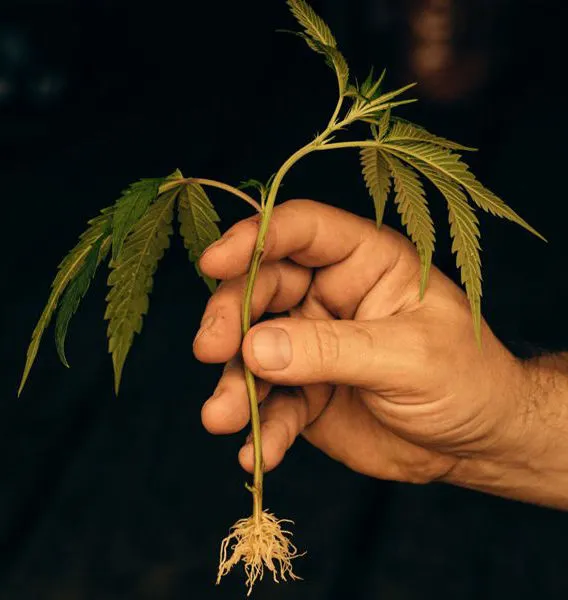
Sacramento growers may find many nursery pages, delivery services, directories, and informal listings offering young cannabis plants. Convenience is useful, but proximity alone does not establish quality. A search for clones sacramento should lead to a careful comparison of genetics, plant health, development stage, transport practices, and customer support. The best local option is the one that fits the grower’s lawful setup and provides enough information for responsible planning.
Start with Local Legal Requirements
Before comparing plants, buyers should verify the rules that apply to their address and circumstances. California law may interact with Sacramento city or county requirements, property restrictions, age limits, plant limits, and commercial licensing. Renters should also review lease conditions, while residents of managed communities may need to check association rules.
Official government sources are more reliable than general summaries. Regulations can change, and a seller’s willingness to deliver does not automatically mean the purchase or cultivation is lawful for every customer.
Compare Plant Stage, Not Just Strain Name
A small rooted clone and a larger teen plant require different space and care. The product listing should identify the approximate height, container type, and root stage. A teen may be ready to continue developing quickly, while a smaller clone may need a longer acclimation period.
Buyers comparing clones for sale sacramento should ask whether plants in the same order will be reasonably similar. This matters when the grower wants a coordinated canopy or has limited room. Clear size information also prevents the receiving area from becoming crowded unexpectedly.
Review Genetic Transparency
A familiar strain name is useful only when the seller maintains accurate mother-stock records. Buyers should ask how varieties are labeled and whether the cuttings come from verified female plants. Useful descriptions include general structure, flowering time, and environmental suitability.
These details support planning but should not be presented as guarantees. The same genetics can develop differently under different lights, containers, temperatures, humidity levels, and feeding routines. A responsible seller describes tendencies without promising exact height, yield, or timing.
Look Closely at Health Standards
Healthy roots, a stable stem, and active new growth are more important than a perfectly styled photograph. Buyers can ask how plants are inspected for visible pests, webbing, severe leaf damage, unusual spotting, or weak rooting. A nursery should have a clear standard for deciding whether a plant is ready to leave.
Some minor stress may occur during pickup or delivery, especially on warm days. However, severe wilting, broken stems, widespread discoloration, or obvious pest activity should not be treated as normal. The seller’s reporting policy should explain how these issues are handled.
Plan for Sacramento Heat
Local heat can create transport problems even during a short journey. A parked vehicle can warm quickly, and young plants may lose moisture or suffer leaf damage. Buyers should schedule pickup when they can travel directly to the receiving location and avoid leaving plants in direct sun.
The transport area should be clean and stable. Containers should remain upright, and other items should not crush foliage. When possible, climate control can reduce sudden temperature changes between the nursery and destination.
Prepare a Receiving and Observation Area
Before collection, the grower should set up clean containers, suitable lighting, monitoring equipment, and a separate observation space. New plants should be inspected before they are placed beside established ones. Leaves, stems, growing media, and visible roots can be checked for pests, damage, or unusual symptoms.
Photographs taken on arrival provide a useful record. Labels should remain attached, especially when several varieties are purchased. A short observation period can help the grower notice problems without immediately exposing the rest of the garden.
Introduce Environmental Changes Gradually
Nursery plants may be accustomed to moderate lighting and controlled humidity. Direct exposure to intense outdoor sun or a powerful indoor fixture can cause stress. A gradual transition allows the plant to adapt while the grower watches leaf posture, moisture use, and new growth.
Watering should depend on the condition of the medium rather than a fixed schedule. The container may already be saturated at pickup. Strong feeding should also be avoided until the previous care routine is understood and the plant shows that it is settling.
Evaluate Communication and Policies
A dependable local supplier should provide accurate availability, clear pickup or delivery windows, and practical arrival guidance. Because live inventory changes, buyers should confirm the desired variety, quantity, and size close to the fulfillment date.
Policies should state how quickly damage or shortages must be reported, what evidence is required, and what remedies may be offered. Vague terms create uncertainty. Clear communication before payment is one of the strongest indicators of professional service.
Compare Total Value
The nearest or cheapest source may not be the best. Genetics, root quality, size consistency, packaging, transport, support, and policies all affect value. A slightly higher price may be worthwhile when the plants are well rooted, correctly labeled, and responsibly handled.
For larger purchases, buyers should request written quantities, pricing, lead times, and delivery arrangements. This helps avoid misunderstandings when nursery stock changes.
Use a Simple Supplier Scorecard
A written comparison can make local purchasing decisions more objective. Buyers can score each source on genetic clarity, plant stage, visible health, communication, transport preparation, policies, and total value. This prevents a persuasive sales conversation or a familiar strain name from overshadowing missing information.
The scorecard can be updated after pickup. Record whether the plants matched the promised size, whether labels were accurate, and how they responded during the first several days. These notes make future orders easier to evaluate and help the grower identify which supplier practices consistently support a smoother transition.
Final Thoughts
Sacramento growers can make stronger choices by looking beyond location and promotional strain names. Legal verification, plant stage, genetic transparency, health standards, transport preparation, and supplier communication should all influence the decision.
A local purchase can reduce travel time, but it does not remove the need for careful receiving and acclimation. Growers who prepare their space, document plant condition, and introduce changes gradually give new clones a better chance to settle. The strongest supplier is the one that supports realistic expectations and a responsible cultivation plan.