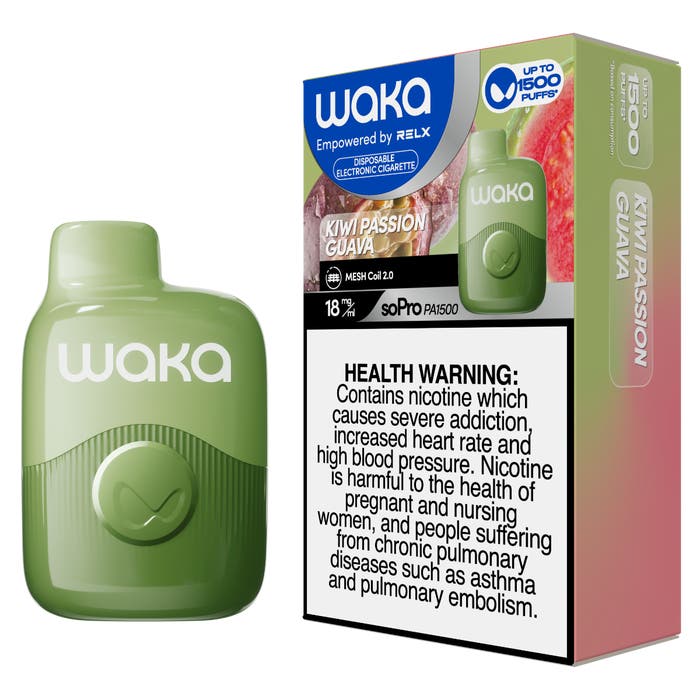
Running a CBD business online takes more than a good-looking storefront. Customers need clear product information, an easy way to shop, and reasons to trust the brand. Meanwhile, search engines and payment providers can treat the category with extra caution, so a business’s website and marketing need to be especially well considered. A practical growth plan connects three things: a reliable store, useful content, and a reputation that can be earned over time.
Start with a store customers can use
A Shopify site can make it easier to manage products, orders, and promotions, but the platform alone does not guarantee a smooth experience. Product pages should explain what is being sold, how it is made, and what a customer can expect from the purchase. Avoid vague claims or language that implies a product can diagnose, treat, or prevent a health condition. CBD businesses should also review the rules that apply to their products and markets, and seek qualified legal guidance when needed.
On mobile, shoppers should be able to find the menu, compare products, read policies, and complete checkout without unnecessary steps. Test the site as a customer would: use the search bar, add an item to the cart, check shipping details, and look for answers to common questions. Broken buttons and unclear return terms can undermine confidence just as quickly as a slow page.
If a store needs custom features or a redesign, hiring a developer is a project of its own. Define the work before you begin: list the required changes, identify who will provide copy and images, and agree on milestones and testing. A useful starting point is Osdire’s guide on hiring a Shopify developer, which outlines considerations for choosing and working with a specialist.
Make content answer real questions
Content can help a CBD retailer attract visitors, but it works best when it serves readers rather than repeating keywords. Think about the questions people ask before buying: What does a label mean? How should a shopper compare product formats? What information should a business provide about ingredients, testing, or shipping? Clear, carefully reviewed explanations can improve the shopping experience and reduce confusion.
Assign someone to check factual statements and update pages when products, policies, or applicable rules change. Be especially cautious with health-related wording. A disclaimer does not automatically make an unsupported claim appropriate, and general educational copy should not be presented as personal medical advice. Consistent language across product pages, FAQs, and social profiles also makes the business feel more dependable.
Earn visibility through relevant links
Links from other websites can help people discover a brand and give search engines context about its reputation. The most useful links are editorially relevant: for example, a thoughtful article on hemp retail might refer readers to a retailer’s clearly explained guide or product resource. A large number of unrelated links is not a substitute for genuine usefulness and can create a poor impression.
Before hiring anyone to support outreach, ask what they actually do. Do they identify appropriate publications, suggest useful topics, and communicate with editors, or are they simply selling a promised number of placements? Ask to review sample work, understand how potential sites are selected, and agree on reporting. A business exploring specialist help can compare the approach described on this page about CBD link building with its own standards for relevance, transparency, and editorial quality.
Keep expectations realistic. Search visibility is affected by many factors, including the quality of the site, the usefulness of its pages, competition, and the consistency of ongoing work. No service can responsibly guarantee a particular ranking. Treat link outreach as one part of a broader marketing plan, not a shortcut around improving the store.
Choose partners and measure what matters
When a project requires outside skills, write a brief that explains the outcome, deadline, budget, and how approval will work. Marketplaces such as Osdire bring buyers and freelancers together across more than 900 categories, including programming and tech, design, writing, and marketing. Its flat pricing and payment process—where funds are held while work is underway and released after the buyer approves delivery—can make the transaction easier to structure. Still, review portfolios, clarify scope, and communicate expectations before work starts.
Measure progress using signals tied to business goals. Track whether visitors reach useful pages, whether product information helps them move through checkout, and which sources bring relevant traffic. Review customer questions and support requests for recurring points of confusion. These observations can guide updates to navigation, content, and outreach more effectively than chasing a single vanity metric.
A trustworthy CBD storefront is built gradually. Clear information, a dependable buying experience, careful claims, and relevant third-party attention reinforce one another. Make improvements in that order, document what changes, and reassess results regularly. The strongest online presence is not simply the one that attracts a click; it is the one that gives a visitor enough clarity and confidence to decide whether the business is right for them.